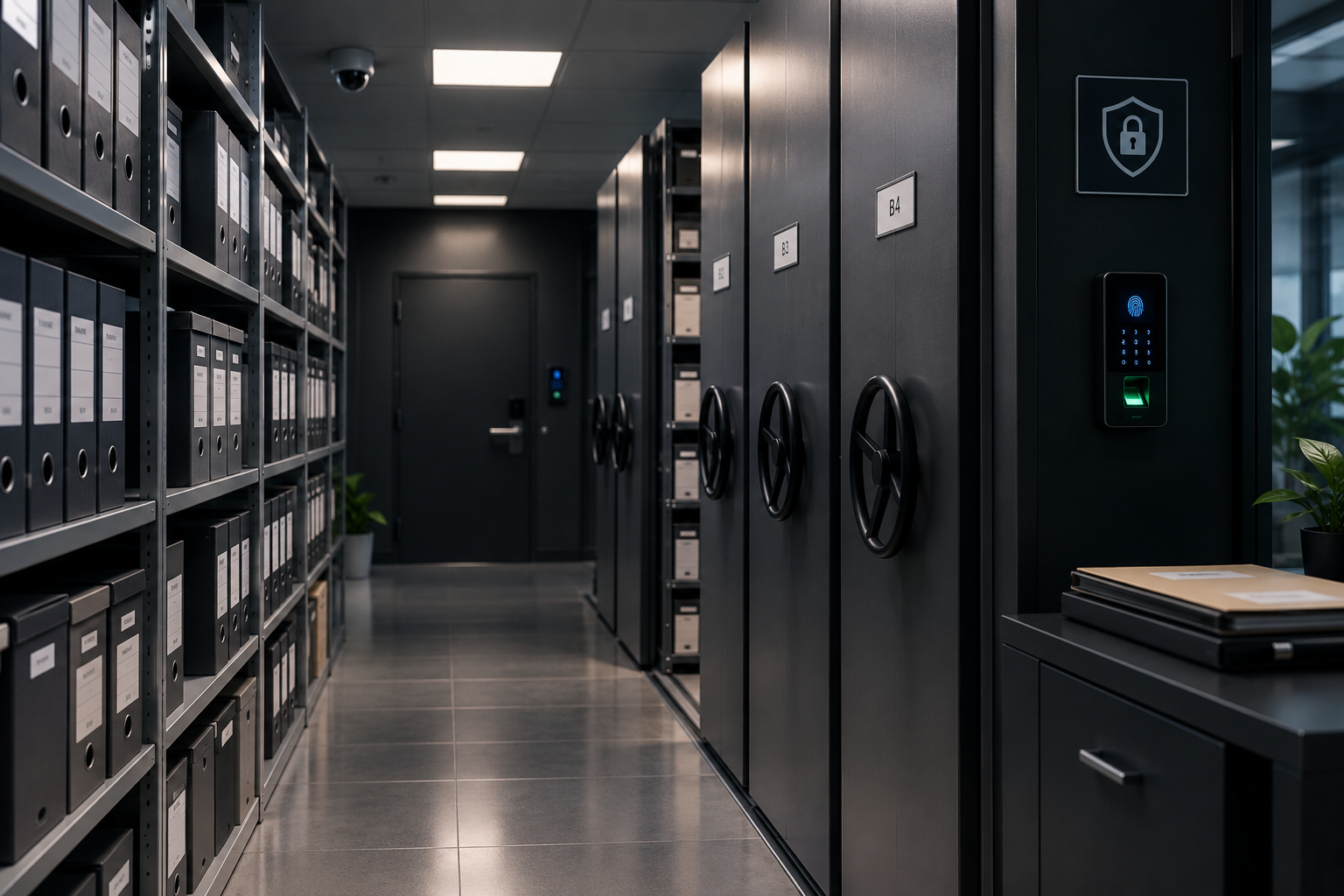
In the digital-first era, we thought we were done with mountains of paper and dusty archives. Yet, a new, more insidious threat has emerged in our workplaces: document overload. Multiple versions of the same file, shared folders with endless sub-structures, email chains clogged with attachments… This information clutter has become one of the main obstacles to business performance and workplace collaboration. To unlock collective efficiency, we urgently need to shift from a culture of mass storage to one of document mindfulness and clarity.
The Hidden Cost of Disorganization
Document clutter does not just take up server space; it actively eats away at employees' time and energy every single day. Several management studies show that employees spend an average of one to two hours a day simply searching for the information they need to do their jobs. This lost time represents a direct financial cost for organizations, but the impact goes far beyond numbers:
Team frustration : Failing to find the right document at the right time causes chronic stress and harms the employee experience.
Increased risk of error: Working from an outdated version of a contract, specification sheet, or report can lead to severe operational and legal consequences.
Duplication of effort : Unaware that a document already exists, teams often recreate what has already been done, wasting precious resources.
How Document Chaos Breaks the Team
Teamwork relies on a simple principle: the smooth flow of reliable information. When the document ecosystem becomes saturated, the entire collective dynamic works in reverse. Information sharing turns into "visual noise." Instead of collaborating, team members retreat into their own local filing habits (on their computer desktops or private messaging apps), creating information silos. Transparency vanishes, onboarding new employees becomes an uphill battle, and corporate memory erodes every time a worker leaves the company.
Toward Collective Document Hygiene: Keys to Action
Breaking free from document clutter requires collective awareness and the rollout of shared habits. Here are three pillars to breathe life back into your digital workspaces:
1. Adopt a digital "Clean Desk" policy: Just like cleaning a physical desk, shared spaces must be regularly purged. It is essential to set up dedicated sessions to archive or delete obsolete documents.
2. Standardize naming conventions and folder structures : Collective efficiency thrives on predictability. Teams must agree on a simple structure (a maximum of 3 to 4 levels of subfolders) and a universal nomenclature for naming files
(Example : YYYYMMDD_ProjectName_DocumentType). This way, anyone can identify a file's content without even opening it.
3. Prioritize co-editing over storage: Modern collaborative tools (such as Office 365, Google Workspace, or Notion) allow multiple people to work on a single document accessible via a link. Sending heavy files by email should be banned, as it fragments
"Fewer Documents, More Impact"
Collective efficiency is not measured by the volume of documents produced, but by how quickly a team can leverage knowledge. By lightening our document load, we are not just freeing up hard drive space: we are reclaiming time for innovation, streamlining communication, and bringing meaning back to teamwork. Editorial mindfulness is the new engine of modern performance.